
Archive for September, 2026

The New Role of OOH in Omnichannel Campaigns

The New Role of OOH in Omnichannel Campaigns

Out-of-home advertising has traditionally been known for building awareness at scale. But as media strategies become more connected, OOH is taking on a bigger role: becoming an integrated part of the omnichannel campaign.

Today, media teams are looking beyond individual channels and focusing on how every touchpoint works together. OOH can connect physical-world exposure with digital, social, search, mobile, and other media to create a more consistent consumer experience.

OOH Is No Longer a Standalone Channel

Consumers move between channels constantly. Someone might pass a billboard on their commute, see the same campaign on social media later that day, search for the brand that evening, and ultimately make a purchase online.

That means OOH doesn’t have to work in isolation. When planned alongside other media, it can reinforce campaign messaging and extend a brand’s presence into the real world.

Location Makes OOH Different

OOH brings something unique to an omnichannel strategy: physical context.

Campaigns can reach consumers around stores, workplaces, entertainment districts, airports, commuter routes, events, and other relevant locations. That allows media teams to connect messaging with where audiences actually spend their time.

Better Integration Requires Better Workflows

As OOH becomes more integrated into broader media plans, the processes behind it need to keep up.

Managing searches, RFPs, proposals, contracts, campaign data, and reporting across disconnected systems can create unnecessary work for media teams. Bringing those workflows together makes it easier to incorporate OOH into larger campaigns without adding complexity.

That’s where technology plays an increasingly important role.

Making OOH Easier to Plan and Buy

DOmedia helps agencies and media teams manage the OOH buying process in one platform, from planning and RFPs through contracting and campaign execution.

As omnichannel strategies continue to evolve, OOH’s role is evolving with them. The opportunity isn’t simply to add another channel to the media mix. It’s to make OOH a more connected part of how campaigns are planned, bought, and executed.

Why Media Teams Need Fewer Dashboards, Not More

Why Media Teams Need Fewer Dashboards, Not More

Media teams have access to more data than ever like campaign performance, inventory, audience insights, contracts, billing, reporting, and more.

But more visibility doesn’t automatically mean more efficiency.

When every part of the media buying process lives in a different platform, teams spend valuable time switching between systems, reconciling information, and figuring out which source has the most current data.

The Problem With Platform Overload

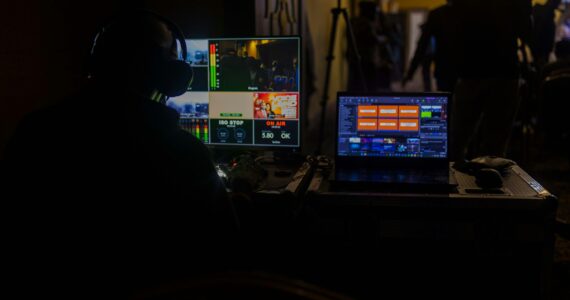
A typical media campaign can involve multiple tools for planning, buying, contracting, trafficking, measurement, and billing.

Individually, each platform may solve a specific problem. Together, they can create a new one: fragmentation.

Teams end up exporting spreadsheets, re-entering information, comparing numbers across systems, and manually moving campaigns from one stage to the next. Every additional handoff creates another opportunity for delays or errors.

Media Teams Need Connection, Not More Data

The goal of media technology should be to make information easier to act on.

Instead of asking teams to constantly move between platforms, connected media workflows allow information to follow the campaign. Planning data can inform buying while buying decisions can flow into contracts. 

That means less time managing systems and more time actually managing media.

One Workflow Creates Better Visibility

Centralization also gives teams a clearer picture of what is happening across campaigns.

When planning, RFPs, proposals, contracts, and campaign information are connected, teams don’t have to piece together the story from multiple dashboards. Everyone can work from more consistent information and understand where a campaign stands.

That matters even more as media operations scale across clients, markets, and vendors.

A More Connected Approach to OOH

Out-of-home media buying can involve a particularly complex network of inventory, vendors, markets, proposals, contracts, and campaign details.

DOmedia is designed to bring those pieces together, helping agencies manage the OOH buying process through a more connected workflow rather than a growing collection of disconnected tools.

Because the future of media operations isn’t another dashboard.